Why Power Outages Are Becoming More Frequent Than Ever
Global Markets
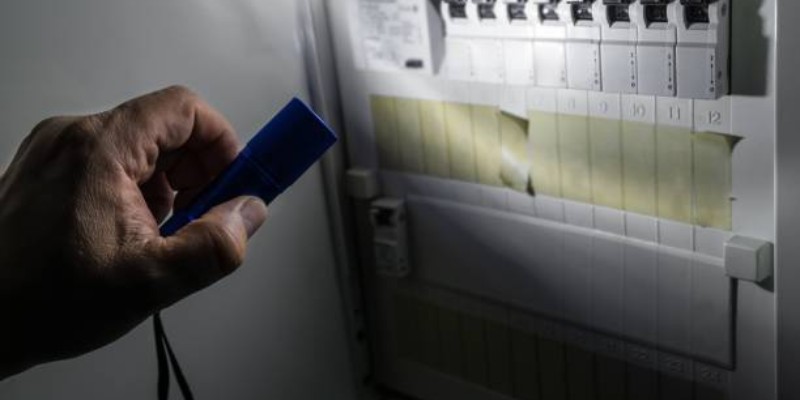
Power outages are becoming more frequent across many regions, disrupting homes, businesses, and essential services. What once felt like a rare event is now a regular experience for many people.
Behind these blackouts are deeper problems linked to aging systems, rising electricity demand, and changing weather patterns. Understanding these causes helps explain why reliable electricity is becoming harder to maintain.
Why Power Outages Are Becoming More Frequent Today
Power outages are increasing because power systems are under pressure from multiple directions at once. Older infrastructure, higher demand, and environmental stress are pushing grids beyond their limits.
Many electricity networks were built decades ago and were never designed for today’s energy needs. As usage grows, weaknesses that stayed hidden for years are now failing more often.

Aging Infrastructure and Power Outages
Old power lines, transformers, and substations are one of the biggest reasons power outages happen more often. Many components are operating far beyond their expected lifespan.
When equipment wears out, failures happen without warning. Repairs also take longer because replacement parts are harder to find, increasing the duration of power outages.
Extreme Weather and Power Outages
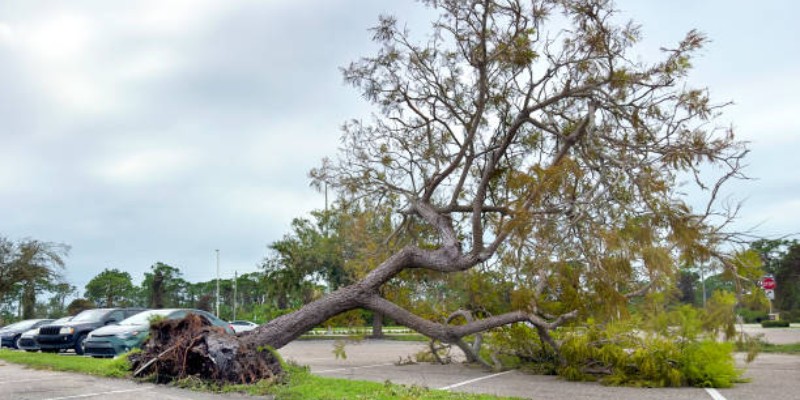
Extreme weather events are now a leading cause of power outages worldwide. Heatwaves overload grids, storms knock down lines, and flooding damages substations.
As climate patterns change, these events happen more often and with greater intensity. This constant exposure increases the frequency of power outages and makes recovery slower.
Rising Electricity Demand and Power Outages
Electricity demand has grown sharply due to population growth, urbanization, and increased appliance use. Air conditioners, computers, and electric devices place constant strain on power systems.
When demand exceeds supply, utilities may shut down sections of the grid to prevent collapse. These controlled shutdowns still count as power outages for affected users.
Why Power Outages Are Becoming More Frequent in Developing Regions
In many developing regions, power outages are already common and are becoming worse. Infrastructure expansion often fails to keep up with rapid population growth.
Limited funding and maintenance gaps weaken grid reliability. As demand rises, even small faults can trigger widespread power outages across entire cities.
Fuel Supply Problems and Power Outages
Power generation depends on steady fuel supply. When gas, coal, or water levels drop, power plants cannot operate at full capacity.
Fuel shortages force utilities to reduce output, leading directly to power outages. Overreliance on a single fuel source increases this risk.
Why Power Outages Are Becoming More Frequent in Wealthy Countries
Even developed countries face growing power outages due to aging grids and complex energy systems. Many advanced economies still rely on infrastructure built in the mid-20th century.
Adding modern energy sources without upgrading transmission networks creates instability. This imbalance contributes to unexpected power outages.
Renewable Energy and Power Outages
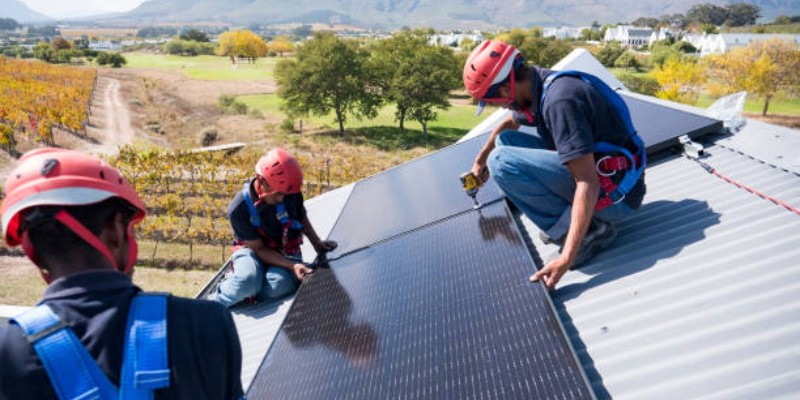
Renewable energy plays an important role in modern grids, but it also introduces challenges. Solar and wind power depend on weather conditions and fluctuate throughout the day.
Without enough storage, sudden drops in renewable output can cause power outages. These issues highlight the need for better grid planning rather than blaming renewables alone.
Grid Management Failures and Power Outages
Poor grid management increases the frequency of power outages. Slow fault detection and outdated monitoring systems delay response times.
When utilities cannot isolate problems quickly, small faults spread into larger outages. Modern grid management tools are essential for reducing power outages.
Reliable grid operation depends on standards promoted by global energy bodies and utilities aligned with organizations like international energy oversight groups that guide best practices.
Where Power Outages Happen Most Often
Power outages occur most during peak demand periods, such as hot afternoons or cold evenings. Industrial zones and dense urban areas face higher risks.
Rural regions also experience frequent power outages due to long transmission distances and limited backup systems.
Economic and Safety Effects of Power Outages
Power outages disrupt businesses, healthcare, and communication systems. Hospitals rely on generators, while small businesses may shut down entirely.
Extended power outages affect water supply, food storage, and public safety. These impacts show how critical electricity is to modern life.
Public safety planning often follows standards supported by national emergency agencies that emphasize preparedness for power outages.
What Utilities and Governments Are Doing About Power Outages
Governments and utilities are investing in grid upgrades, smart meters, and energy storage. These improvements aim to reduce the frequency and impact of power outages.
However, upgrades take time and require large investments. Until projects are completed, power outages may continue.
Major utilities often align infrastructure planning with frameworks supported by global energy companies that focus on long-term grid resilience.

What the Future Holds for Power Outages
Power outages are unlikely to disappear soon. Growing demand, weather risks, and aging systems mean outages may remain part of daily life.
Better technology and planning can reduce their impact, but full reliability requires sustained investment and realistic expectations.
Why Power Outages Are Becoming More Frequent and What It Means
Power outages are becoming more frequent because electricity systems are under strain from age, demand, and environmental pressure. These disruptions reflect deeper challenges in how energy is produced and delivered.
Understanding why power outages happen helps people and policymakers prepare for a future where reliable power cannot be taken for granted.
Sources
Share this article:
Recommended For You

Most Viewed
ADVERTISEMENT